amazon fba for beginners a step by step guide to
Mrs. Erika Gusikowski
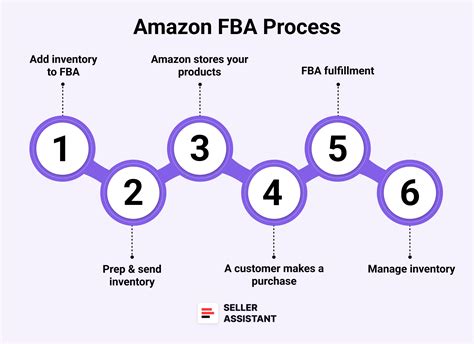
amazon fba for beginners a step by step guide to navigate the complex world of selling on Amazon using the Fulfillment by Amazon (FBA) program. If you're new to e-commerce or looking to expand your existing business, understanding how Amazon FBA works can open up tremendous opportunities for growth, efficiency, and profit. This comprehensive guide will walk you through each step of starting with Amazon FBA, from setting up your seller account to listing products, and managing your inventory effectively.
Understanding Amazon FBA and Its Benefits
Before diving into the practical steps, it's essential to grasp what Amazon FBA is and why many sellers prefer this fulfillment method.
What Is Amazon FBA?
Amazon FBA (Fulfillment by Amazon) is a service that allows sellers to store their products in Amazon's warehouses. When a customer places an order, Amazon handles the packaging, shipping, customer service, and returns on behalf of the seller. This enables sellers to focus on sourcing and marketing products while Amazon manages the logistics.
Benefits of Using Amazon FBA
- Prime Eligibility: Your products become Prime-eligible, attracting millions of loyal Prime members.
- Time-Saving: Amazon handles storage, packing, and shipping, saving you time and effort.
- Scalability: Easily scale your business without worrying about warehouse space or delivery logistics.
- Customer Service: Amazon manages customer inquiries and returns, enhancing customer satisfaction.
- Multi-Channel Fulfillment: Fulfill orders from other sales channels using Amazon's infrastructure.
Step 1: Setting Up Your Amazon Seller Account
The first practical step in starting your Amazon FBA journey is creating a seller account.
Choosing the Right Seller Plan
Amazon offers two main types of seller accounts:
- Individual Seller Account: No monthly fee but charges $0.99 per sale. Suitable for those just starting out or selling fewer than 40 items per month.
- Professional Seller Account: $39.99 monthly fee with no per-item fee, ideal for high-volume sellers.
Registering Your Seller Account
Follow these steps:
- Visit the [Amazon Seller Central](https://sellercentral.amazon.com) website.
- Click on “Register Now” and choose your plan.
- Provide necessary information including your business name, legal name, address, contact details, and tax information.
- Create your login credentials and agree to Amazon’s terms of service.
Step 2: Conducting Product Research
Selecting the right products is crucial for success on Amazon FBA.
Understanding Market Demand
Analyze trending products and niches with tools such as:
- Jungle Scout
- Helium 10
- Keepa
Look for products with:
- Consistent demand
- Low competition
- Good profit margins
Finding Profitable Product Ideas
Steps to identify potential products:
- Browse Amazon Best Sellers and Hot New Releases.
- Use keyword research tools to find high-search-volume keywords.
- Check competitors’ reviews for gaps or customer complaints to improve your product.
- Calculate potential profit margins by considering product cost, Amazon fees, shipping, and advertising.
Step 3: Sourcing Your Products
Once you’ve identified promising products, sourcing becomes the next critical step.
Finding Reliable Suppliers
Popular options include:
- Alibaba and AliExpress for bulk manufacturing or small-scale sourcing.
- Domestic suppliers for faster shipping and quality control.
- Local manufacturers or artisans for unique or handmade products.
Evaluating Suppliers
Ensure supplier reliability by:
- Requesting samples to assess quality.
- Checking reviews and ratings on sourcing platforms.
- Communicating clearly about pricing, minimum order quantities, and lead times.
- Verifying their manufacturing capabilities and compliance standards.
Step 4: Creating Your Product Listings
Optimized product listings are vital for attracting buyers and generating sales.
Crafting an Effective Product Title
Include relevant keywords naturally and be descriptive. Example:
“Wireless Noise Cancelling Headphones – Bluetooth Over Ear with Long Battery Life”
Writing Compelling Product Descriptions and Bullet Points
Highlight key features and benefits, focusing on:
- Unique selling points
- Specifications
- Usage instructions
- Warranty or guarantees
Using High-Quality Images
Upload clear, high-resolution images showing different angles, features, and scale. Consider including lifestyle images to demonstrate product use.
Step 5: Preparing and Sending Your Inventory to Amazon
Proper preparation ensures your products arrive in sellable condition.
Labeling and Packaging
- Use Amazon barcodes (FNSKU labels) for each unit, unless you opt for stickerless inventory.
- Pack products securely to prevent damage during transit.
Creating a Shipment Plan
Follow these steps:
- Log into Seller Central.
- Navigate to “Inventory” > “Manage Inventory”.
- Select products to send and click “Send/Replenish Inventory”.
- Choose the fulfillment center(s) based on Amazon’s recommendations.
- Print shipping labels and arrange for carrier pickup or drop-off.
Step 6: Managing Your Inventory and Orders
Effective inventory management ensures continuous sales without overstocking or stockouts.
Monitoring Inventory Levels
Regularly check your inventory dashboard for low stock alerts and sales trends.
Replenishing Stock
Plan ahead for replenishment based on sales velocity, lead times, and seasonal fluctuations.
Handling Customer Service and Feedback
- Respond promptly to customer inquiries.
- Encourage satisfied customers to leave positive reviews.
- Address negative feedback professionally to maintain your seller reputation.
Step 7: Optimizing and Scaling Your Amazon FBA Business
Once your initial products are selling well, focus on growth strategies.
Advertising and Promotions
Utilize Amazon PPC (Pay-Per-Click) ads to increase product visibility.
Expanding Product Lines
Research additional products within your niche to diversify your offerings.
Analyzing Performance Metrics
Use Seller Central reports to track sales, profit margins, advertising ROI, and customer feedback, refining your approach accordingly.
Additional Tips for Success with Amazon FBA
- Stay compliant with Amazon policies to avoid account suspension.
- Keep abreast of market trends and customer preferences.
- Invest in professional product photography and copywriting.
- Build a brand around your products for long-term growth.
Conclusion
Getting started with Amazon FBA as a beginner may seem overwhelming at first, but by following these step-by-step instructions, you'll develop a solid foundation to build a successful e-commerce business. Remember to conduct thorough research, choose reliable suppliers, optimize your product listings, and continuously analyze performance metrics. With dedication and strategic planning, Amazon FBA can become a lucrative avenue to turn your entrepreneurial dreams into reality.
Amazon FBA for Beginners: A Step-by-Step Guide To
In the digital age, e-commerce has revolutionized the way entrepreneurs and small business owners approach selling products. Among the various platforms available, Amazon remains the giants’ playground, offering unparalleled reach and infrastructure. For those new to the scene, understanding how to leverage Amazon’s Fulfillment by Amazon (FBA) service can seem daunting. This guide aims to demystify the process, providing a comprehensive, step-by-step overview to help beginners navigate the journey from product idea to successful Amazon storefront. Whether you’re looking to start a side hustle or build a full-fledged business, mastering Amazon FBA can open doors to significant opportunities.
What Is Amazon FBA and Why Consider It?
Before diving into the operational details, it’s essential to understand what Amazon FBA entails. Amazon FBA (Fulfillment by Amazon) is a service where sellers send their products to Amazon’s fulfillment centers. Amazon then takes care of storage, packaging, shipping, customer service, and even returns. This model allows sellers to focus on sourcing and marketing their products without managing the logistics.
Key Benefits of Amazon FBA for Beginners:
- Prime Eligibility: Your products become Prime-eligible, attracting millions of loyal Amazon Prime members.
- Customer Service & Returns Handled: Amazon manages customer inquiries and returns, saving you time and hassle.
- Scalability: Easily scale your business without the need for a warehouse or shipping infrastructure.
- Buy Box Advantage: FBA products are more likely to win the coveted “Buy Box,” increasing sales.
However, success with FBA requires strategic planning, diligent research, and careful execution. The following sections will break down each step to help you get started confidently.
Step 1: Research and Choose Your Niche
Understanding the Market
The foundation of a successful Amazon FBA business is selecting the right product niche. This involves thorough research to identify products with demand, manageable competition, and good profit margins.
How to Conduct Effective Product Research:
- Identify Trends: Use tools like Google Trends, Jungle Scout, Helium 10, or Viral Launch to spot trending products.
- Analyze Competition: Check top sellers in your niche. Look for products with a high number of reviews but room for new entrants.
- Assess Profitability: Calculate potential margins considering product cost, Amazon fees, shipping, and advertising.
- Evaluate Seasonality: Decide whether you want to sell seasonal items or consistent year-round products.
- Consider Your Interests and Knowledge: Selling products you understand can give you an edge.
Tips for Choosing the Right Product:
- Aim for lightweight and small items to minimize shipping and storage costs.
- Prefer products with low return rates.
- Avoid overly saturated markets unless you have a unique value proposition.
- Ensure the product complies with Amazon’s policies and legal regulations.
Step 2: Find a Reliable Supplier
Once you’ve identified a promising product, the next step is sourcing. The quality of your supplier determines your product quality, pricing, and ultimately, your reputation.
Options for Sourcing Products:
- Domestic Suppliers: Faster shipping, easier communication, better quality control.
- Overseas Suppliers: Typically lower costs, especially from countries like China via platforms like Alibaba or Global Sources.
How to Choose a Supplier:
- Verify Credentials: Request references, reviews, and certifications.
- Request Samples: Always order samples to assess product quality.
- Negotiate Terms: Price, minimum order quantity (MOQ), lead times, payment terms.
- Check Production Capabilities: Ensure they can meet your demand.
Building a Relationship:
Establish clear communication channels and set expectations early. Consider visiting suppliers or arranging video calls for better rapport.
Step 3: Calculate Profit Margins and Budget
Before placing an order, you must ensure the business is financially viable.
Cost Components to Consider:
- Product Cost: Price per unit from your supplier.
- Shipping Costs: Freight, customs duties, and import taxes.
- Amazon Fees: Referral fees, fulfillment fees, storage fees.
- Additional Expenses: Packaging, branding, photography, marketing, PPC advertising.
Tools for Cost Calculation:
- Amazon’s FBA Revenue Calculator.
- Spreadsheet templates tailored for Amazon sellers.
Setting a Price Point:
Your selling price should cover all costs while remaining competitive and attractive to consumers. Aim for at least a 30-50% profit margin to account for unforeseen expenses and profit goals.
Step 4: Create Your Amazon Seller Account
To start selling, you need an Amazon seller account. There are two primary types:
- Individual Seller Account: No monthly fee but $0.99 fee per item sold; suitable for beginners with fewer sales.
- Professional Seller Account: $39.99/month subscription, no per-item fee; ideal if you plan to sell more than 40 items per month.
Steps to Register:
- Visit Seller Central (sellercentral.amazon.com).
- Choose your account type.
- Provide necessary information: business details, bank account info, credit card, tax information.
- Verify your identity per Amazon’s requirements.
Once approved, familiarize yourself with Seller Central’s dashboard, policies, and tools.
Step 5: Prepare and List Your Products
Product Listing Optimization
Creating compelling, optimized listings is crucial to attract buyers.
- Title: Clear, keyword-rich, and descriptive.
- Images: High-quality, professional images from multiple angles.
- Bullet Points: Highlight key features and benefits.
- Product Description: Detailed, informative, and keyword-optimized.
- Keywords: Use relevant search terms to improve discoverability.
Additional Tips:
- Use Amazon’s Style Guides for formatting.
- Conduct keyword research to identify what customers search for.
- Include relevant backend keywords that aren’t visible to customers but enhance search visibility.
Step 6: Send Your Inventory to Amazon
With your products prepared and listed, it’s time to ship your inventory to Amazon’s fulfillment centers.
FBA Shipment Process:
- Create a Shipping Plan: In Seller Central, specify quantities and destinations.
- Label Your Products: Each product needs an Amazon barcode (FNSKU) label unless you opt for seller-placed labels.
- Pack Your Items: Follow Amazon’s packaging requirements to prevent damages.
- Arrange Shipping: Choose a carrier—Amazon’s partnered carriers often offer discounted rates.
Best Practices:
- Use sturdy cartons with appropriate padding.
- Label boxes clearly with shipment details.
- Track your shipment until it reaches the fulfillment center.
Step 7: Launch and Promote Your Products
Getting your products live is just the start. To generate sales, you need visibility and marketing.
Strategies for a Successful Launch:
- Initial Promotions: Run Amazon Sponsored Product ads to gain exposure.
- Price Promotions: Introductory discounts or coupons can attract early buyers.
- Gather Reviews: Encourage satisfied customers to leave honest reviews (following Amazon’s policies).
- Leverage Social Media: Promote your products through social channels and email lists.
- Monitor Performance: Use Seller Central analytics to track sales, traffic, and ad performance.
Managing Customer Experience:
Respond promptly to customer inquiries, address negative reviews professionally, and maintain high product quality to foster positive feedback.
Step 8: Manage and Scale Your Business
Once your initial products are selling steadily, focus on optimization and expansion.
Key Areas for Growth:
- Inventory Management: Use tools to forecast demand and avoid stockouts.
- Product Line Expansion: Introduce new products within your niche.
- Brand Building: Register for Amazon Brand Registry to gain access to advanced marketing tools.
- Optimize Listings: Continuously improve product pages based on customer feedback and search trends.
- Automate Repetitive Tasks: Consider tools for repricing, review management, and inventory tracking.
Long-Term Strategies:
- Explore international marketplaces.
- Build your own brand and website.
- Diversify product offerings to reduce dependency on a single niche.
Challenges and Tips for Beginners
While Amazon FBA offers enormous opportunities, beginners should be aware of potential pitfalls:
- High Competition: Focus on niche markets with less saturation.
- Pricing Wars: Maintain healthy margins; don’t engage in destructive price competition.
- Inventory Risks: Overstocking can lead to high storage fees; understocking can lead to lost sales.
- Policy Compliance: Stay updated on Amazon’s policies to avoid account suspensions.
- Customer Service: Maintain high standards to garner positive reviews and seller metrics.
Tips for Success:
- Start small, test the waters, and scale gradually.
- Invest in professional branding and high-quality images.
- Use data analytics to inform decision-making.
- Stay informed through Amazon seller forums and industry blogs.
Final Thoughts
Starting an Amazon FBA business as a beginner is an exciting journey that combines entrepreneurship, marketing, and logistics. While the process involves multiple steps—from product research to scaling—it becomes manageable when broken down into clear, actionable stages. Patience, continuous learning, and adaptability are your best allies in building a profitable Amazon FBA store.
By following this step-by-step guide, you’re equipped with the foundational knowledge to embark confidently on your Amazon FBA adventure. Remember, success doesn’t happen overnight, but with persistence and strategic planning, you can turn your e-commerce aspirations into a thriving reality.
Question Answer What is Amazon FBA and how does it work for beginners? Amazon FBA (Fulfillment by Amazon) is a service that allows sellers to store their products in Amazon's fulfillment centers. Amazon handles storage, packaging, shipping, and customer service, making it easier for beginners to start selling online without managing logistics themselves. What are the initial steps to start with Amazon FBA as a beginner? Begin by researching profitable product niches, setting up an Amazon seller account, sourcing products, creating product listings, and sending your inventory to Amazon's warehouses. It's important to understand Amazon's policies and fees before launching. How do I find profitable products to sell on Amazon FBA? Use tools like Jungle Scout, Helium 10, or Viral Launch to analyze market demand, competition, and profit margins. Focus on products with steady demand, low competition, and good profit potential. What are the costs involved in starting Amazon FBA? Costs include Amazon seller account fees, product sourcing costs, shipping fees to Amazon warehouses, FBA fulfillment fees, advertising, and occasional returns or storage fees. Planning your budget carefully is essential. How do I list my products on Amazon for FBA? Create a seller account, choose the 'Fulfilled by Amazon' option, add product details, upload high-quality images, set competitive pricing, and send your inventory to Amazon's fulfillment centers following their shipping guidelines. What are the best practices for optimizing Amazon FBA product listings? Use relevant keywords in your titles and descriptions, write clear and compelling product descriptions, include high-quality images, and gather positive reviews. Optimization increases visibility and sales. How do I manage inventory and avoid stockouts with Amazon FBA? Regularly monitor sales and inventory levels using Amazon's tools or third-party software. Restock products proactively before running out of stock to maintain sales momentum and avoid penalties. What are some common challenges beginners face with Amazon FBA? Challenges include intense competition, managing inventory, understanding Amazon policies, dealing with refunds or negative reviews, and maintaining profitability. Continuous learning and adapting are key to overcoming these hurdles. Is Amazon FBA suitable for all types of products? While Amazon FBA supports a wide range of products, some items like hazardous materials or oversized products may have restrictions or higher fees. Research Amazon's product policies before listing specific items. How can I grow my Amazon FBA business over time? Expand your product range, optimize listings for better visibility, invest in advertising, build a strong brand presence, and gather customer feedback to improve your offerings. Consistent effort leads to sustained growth.
Related keywords: Amazon FBA, beginner's guide, selling on Amazon, FBA setup, product sourcing, Amazon seller account, inventory management, product listing, shipping logistics, profit calculation
